Top Tips For Red Light Therapy For Pain Relief

Red light therapy, also known as low-level laser therapy or photobiomodulation, has gained popularity in recent years as a non-invasive and drug-free treatment option for various types of pain. This therapy involves exposing the body to low levels of red or near-infrared light, which penetrates the skin and is absorbed by cells to promote healing and reduce inflammation.
Many studies have shown the effectiveness of red light therapy in managing chronic pain conditions such as arthritis, fibromyalgia, and back pain. In this article, we will explore the science behind red light therapy and its potential benefits for alleviating pain, as well as how it can be used in conjunction with other treatments to improve overall pain management outcomes.
The Science behind Red Light Therapy
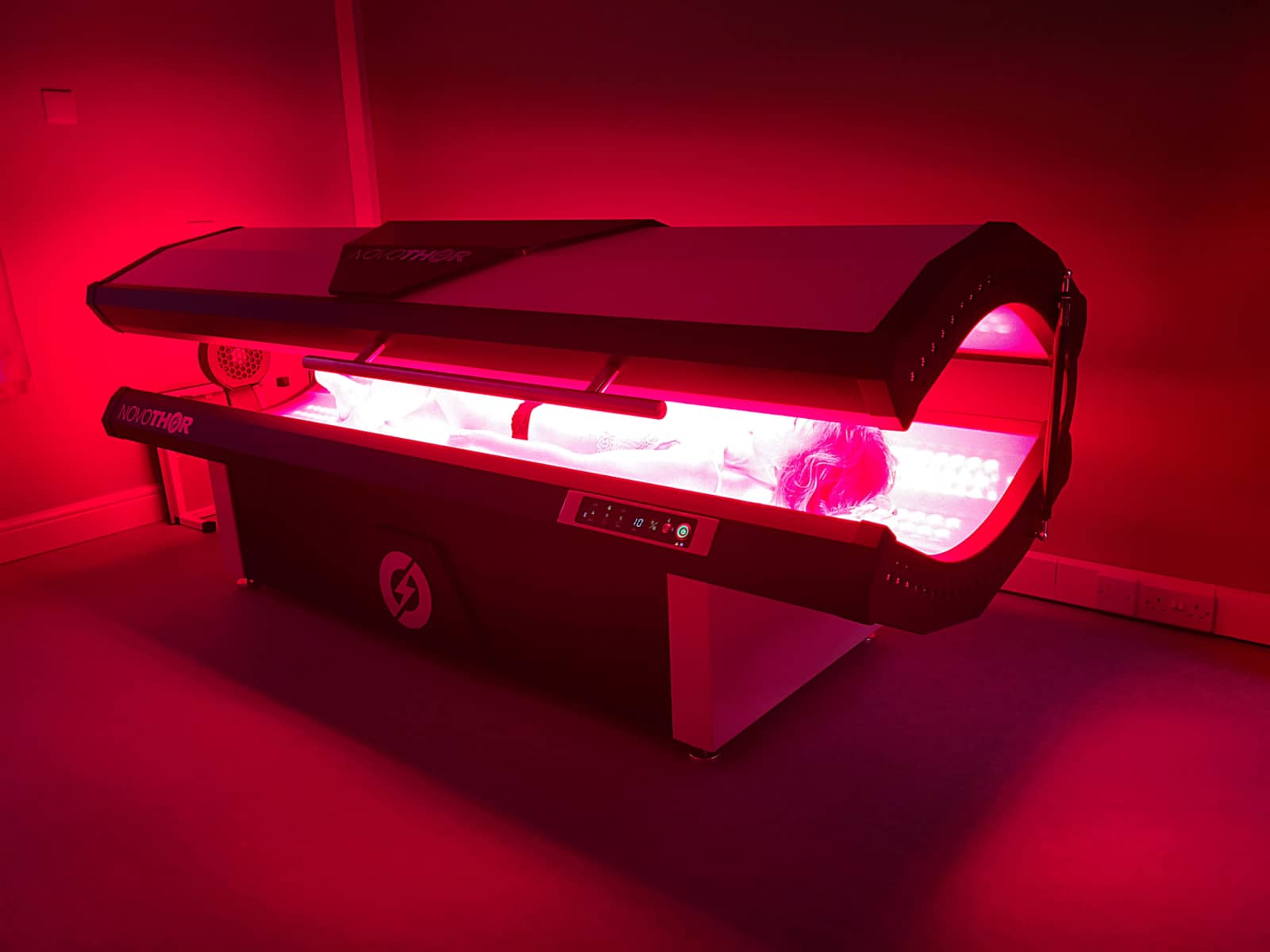
Red light therapy works by stimulating the mitochondria in cells, which then produce more ATP (adenosine triphosphate) – the energy source for cells. This increase in energy helps cells function more efficiently, leading to faster repair and regeneration processes. Additionally, red light therapy has been shown to promote the release of nitric oxide, which improves blood flow and reduces inflammation in the body. By improving cellular function and circulation, red light therapy can help alleviate pain and speed up the healing process. For whole-body treatment options, consider exploring Whole Body Red Light Therapy.
Potential Benefits for Pain Management
In addition to its impact on cellular function, red light therapy also helps modulate the body’s inflammatory response. Studies have demonstrated that this therapy can reduce levels of pro-inflammatory molecules in the body while increasing anti-inflammatory cytokines, thereby promoting a more balanced immune response. This anti-inflammatory effect can be particularly beneficial for individuals suffering from chronic pain conditions like arthritis or fibromyalgia. By incorporating red light therapy into a comprehensive pain management plan, patients may experience improved pain relief and overall well-being. Explore the benefits of Whole Body Red Light Therapy as part of your pain management strategy today.
In conclusion, red light therapy offers a promising solution for managing pain through its ability to improve cellular function, increase energy production, and reduce inflammation in the body. By modulating the immune response and promoting healing processes, this therapy can effectively alleviate chronic pain conditions such as arthritis and fibromyalgia. When used in conjunction with other treatments, red light therapy can enhance overall pain management outcomes and contribute to better quality of life for individuals suffering from persistent pain. Consider exploring red light therapy as part of your pain management strategy to experience its potential benefits firsthand.